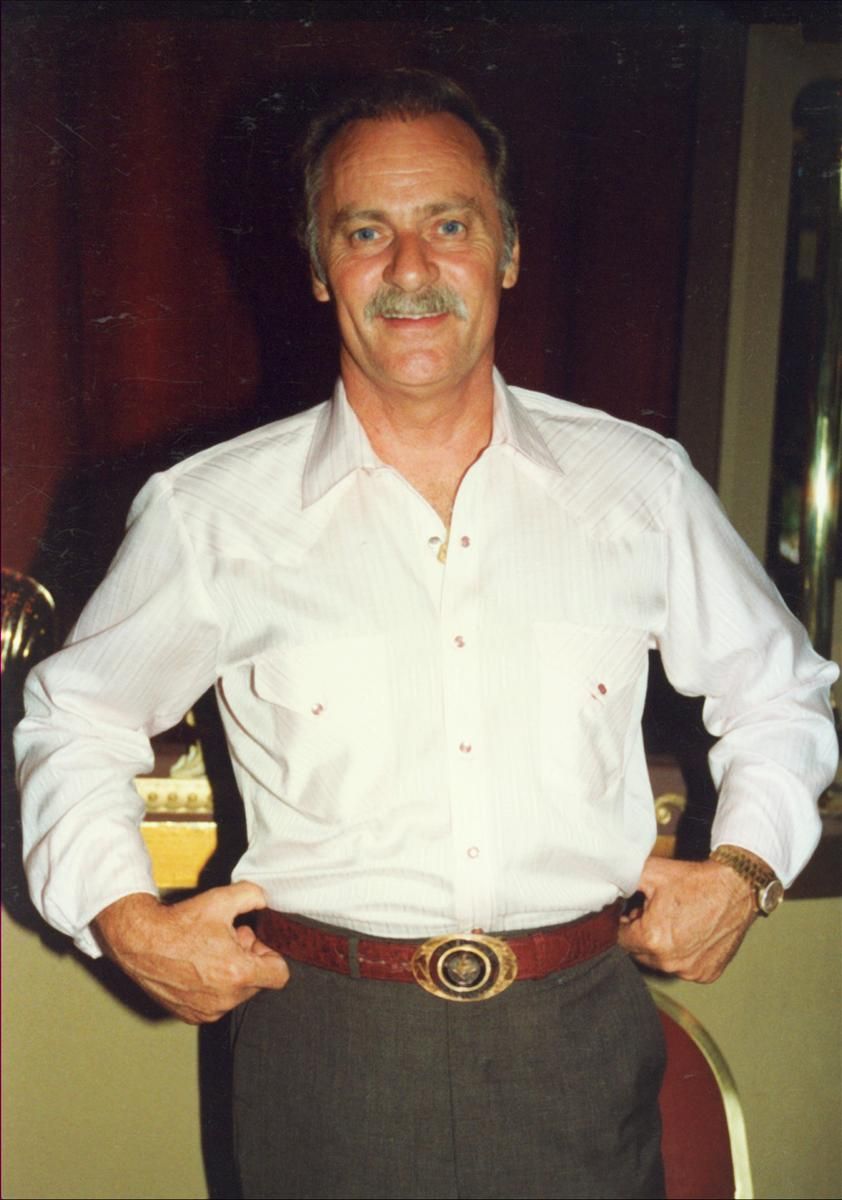
In the spring of 2009, Vern Gosdin was seventy-four years old. He had survived more strokes than most people knew about. He had been written off by Nashville more than once. And he was fixing up his tour bus, because he had a show to play in June.
He never got there. But the way he spent those last weeks says more about who Vern Gosdin was than any chart position ever could.
A Voice Nashville Kept Losing
Vern Gosdin was born on August 5, 1934, in Woodland, Alabama, the sixth of nine children. He grew up chopping cotton and singing gospel. His mother played piano at the Baptist church where he first sang, and the family had its own gospel music show on the radio.
In 1961 he headed west to California. He played bluegrass with the Golden State Boys and the Hillmen, then formed the Gosdin Brothers with his brother Rex. The records got noticed, but they never broke through. By the 1970s he had moved to Atlanta, quit performing and was running a glass company.
Most careers end right there. His didn’t. Before the decade was out, Vern was back in the studio, recording with old friends like Emmylou Harris. His first Top 10 hit didn’t arrive until he was in his forties. Then came nineteen of them between 1977 and 1990. Two record labels went bankrupt underneath him along the way. He kept going anyway.
In 1989, “Chiseled in Stone,” a song he wrote with Max D. Barnes, was named Song of the Year by the Country Music Association. By then people had a name for him that needed no explanation: The Voice. Tammy Wynette put it even more plainly. She said the only other singer who could stand alongside George Jones was Vern Gosdin.
The Stroke That Should Have Ended It
In 1998, Vern suffered a stroke. For a singer whose whole gift was the sound coming out of his chest, it could easily have been the last chapter. He was in his sixties, and the radio had long since moved on to younger faces.
But he didn’t stop. He kept writing songs. He kept singing whenever he could. In December 2008 a new box set of his music came out. In early 2009 he was still working, co-writing and recording four final songs with Joe Sins of the country duo The Sins.
Spring 2009: A Bus, a Box Set and a Date in June
That spring, Vern had something on the calendar: an appearance at the CMA Music Festival in Nashville, set for June 11 to 14, 2009. The festival draws country fans from all over the world, and for a man who had spent years on the outside, it was a real stage and a real crowd.
So the old tour bus was being renovated. It wasn’t a farewell tour, and there was no big announcement. It was simply a man getting his rig ready to go back out and sing.
His administrative assistant, Dawn Hall, later described what he was like in those weeks. Until early April, she said:
“He was independent and telling me what to do.”
That one line says a lot. This was not a man sitting at home waiting for the end. He was still the boss of his own life.
April
In early April 2009, another stroke hit. For a while there was real hope. Hall said he was showing signs of coming back, and the people around him believed he might pull through one more time, the way he always had.
He didn’t. On the evening of April 28, 2009, Vern Gosdin died at a Nashville hospital, where he had been in hospice care. He was seventy-four.
The tributes came from the biggest names in the business. George Strait said Vern had helped him out on his very first tour. Josh Turner remembered him as a singer of sad songs and said the news left him beyond sad.
Forty-Four Days
The CMA Music Festival opened on June 11, 2009, right on schedule. That was forty-four days after Vern died.
The stages filled up, the crowds came, and the music played on. Somewhere in Nashville, the tour bus that was supposed to carry him there never made the trip.
Still Waiting on the Hall of Fame
Even in the days after his death, Dawn Hall said fans were circulating a petition to get Vern into the Country Music Hall of Fame. She promised they would keep pushing until he got the recognition he deserved.
Seventeen years later, they are still pushing. George Jones entered the Hall of Fame in 1992. Tammy Wynette followed in 1998. The class of 2026 honored Tim McGraw, the Stanley Brothers and songwriter Paul Overstreet. Vern Gosdin’s name is still not on the wall.
The Road He Never Came Off
It would be easy to tell Vern Gosdin’s story as a sad one: the unfinished bus, the missed festival, the honor that never came. But look again at how he spent his last spring. After a lifetime of being counted out, he was doing exactly what he had always done: getting ready for the next show.
Some men retire. Vern Gosdin just kept getting ready to go. And for the fans who still play “Chiseled in Stone” late at night, The Voice never really left the road at all.