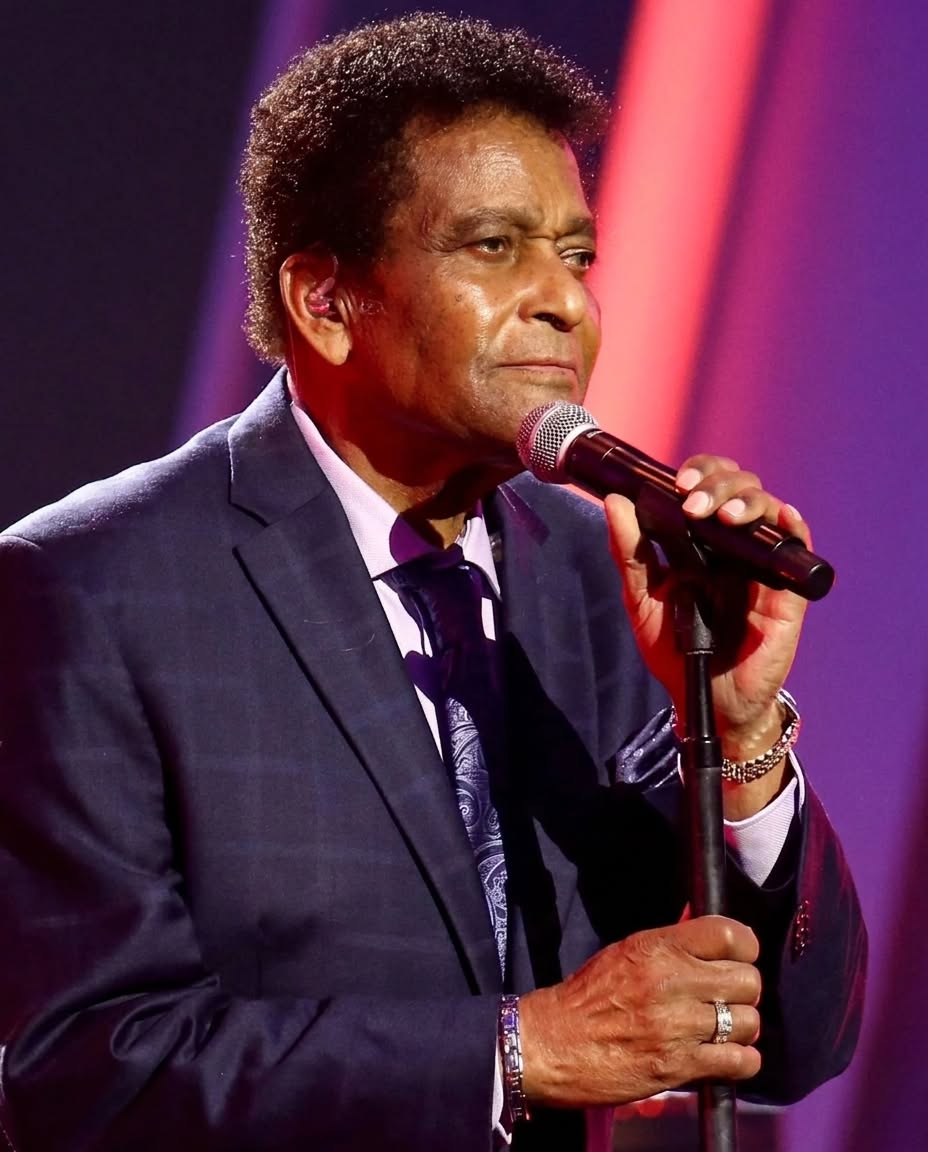
On November 11, 2020, the CMA Awards looked different from any year before it. The pandemic had thinned out the room at Nashville’s Music City Center. Artists sat spaced apart, and much of the usual noise and crowding was gone.
Then Charley Pride walked onto the stage. He was 86 years old, and he had come to receive the Willie Nelson Lifetime Achievement Award. Nobody in the room knew it would be the last time the public ever saw him sing.
“Nervous as Can Be”
You might think a man with more than 50 years on stage had stopped getting nervous. Charley hadn’t. When he reached the microphone, he admitted it right away: “Well, you might not believe but I’m nervous as can be.”
He didn’t use the moment to list his records or his trophies. He talked about the people who had helped him along the way, especially producer Cowboy Jack Clement, who believed in him before most of Nashville did. Charley remembered Clement telling him that people would still be playing and loving the songs they were recording, 50 years later.
Standing there in 2020, he was the proof. He closed with a simple line for the people who had bought his records since the 1960s: “All my fans, I want to say thank you.”
Talking to reporters later, he made light of the nerves. “I wouldn’t say I was nervous, but I enjoyed it,” he said. What he had enjoyed most was being back among singers he had known for decades.
Why That Song
He chose “Kiss an Angel Good Mornin'” for the performance. It wasn’t a random pick. Released in 1971, it spent five weeks at No. 1 on the country chart and crossed over to No. 21 on the pop chart, which was rare for a country record then. That same year the CMA named him Entertainer of the Year, and he also won Male Vocalist of the Year in 1971 and 1972.
The song is a sweet, plain promise to love one person well every single day. It’s not about fame or hard times, just about devotion. Coming from a man who had been married to his wife, Rozene, since 1956, it meant even more.
The Young Man Who Sang It With Him
Charley didn’t sing it alone that night. Jimmie Allen, a young Black country singer, presented the award and shared the song with him. That pairing carried real weight.
Allen later said that when he was a boy, his father played him Charley Pride’s records and told him, “You need to see what he looks like.” Seeing a Black man at the top of country music changed what young Jimmie believed was possible. “It doesn’t matter what people might think you can’t do because of the color of your skin,” Allen said.
Over the years, Charley went from being Allen’s hero to his friend. Allen described him as “someone that became like a grandfather to me.” So the night was more than a performance. A trailblazer and one of the artists who followed his path were standing side by side.
The Long Road to That Stage
Charley Pride was born on March 18, 1934, in Sledge, Mississippi, the fourth of eleven children in a sharecropping family. He picked cotton as a boy, but his first dream was baseball. He pitched in the Negro leagues for the Memphis Red Sox and was twice an All-Star.
When baseball didn’t work out, he ended up in Helena, Montana, working at a smelter. He worked the swing shift there and sang at night. Red Sovine and Red Foley heard him and encouraged him to try Nashville. A demo found its way to Chet Atkins, and RCA signed him in 1965.
His early records reportedly went to radio stations without a photo, so many listeners fell in love with the voice before they ever saw the man. By the time they did, they didn’t want to stop listening. He went on to send 30 songs to No. 1 and to sell more records for RCA than anyone except Elvis Presley. In 1993 he joined the Grand Ole Opry, and in 2000 he was inducted into the Country Music Hall of Fame.
Thirty-One Days
On December 12, 2020, Charley Pride died in Dallas from complications of COVID-19. He was 86.
Many fans immediately wondered about the CMA Awards. The CMA said he had been tested before he traveled to Nashville, when he landed, and again on the day of the show, and every test was negative. They added that he tested negative several more times after returning home to Texas.
Dolly Parton, one of his oldest friends, said she was heartbroken. Jimmie Allen put it more simply: “It feels like Superman died.”
A Goodbye No One Planned
Charley Pride didn’t go on that stage to say farewell. He went to say thank you and to sing a love song he had sung thousands of times. His voice was older and softer, but it was still unmistakably his.
Maybe that’s why the night still means so much to fans. He didn’t get a farewell tour or a final album. He got one more song in front of the music community he had helped change, with a young man beside him who might never have dreamed of that stage if Charley hadn’t walked onto it first.