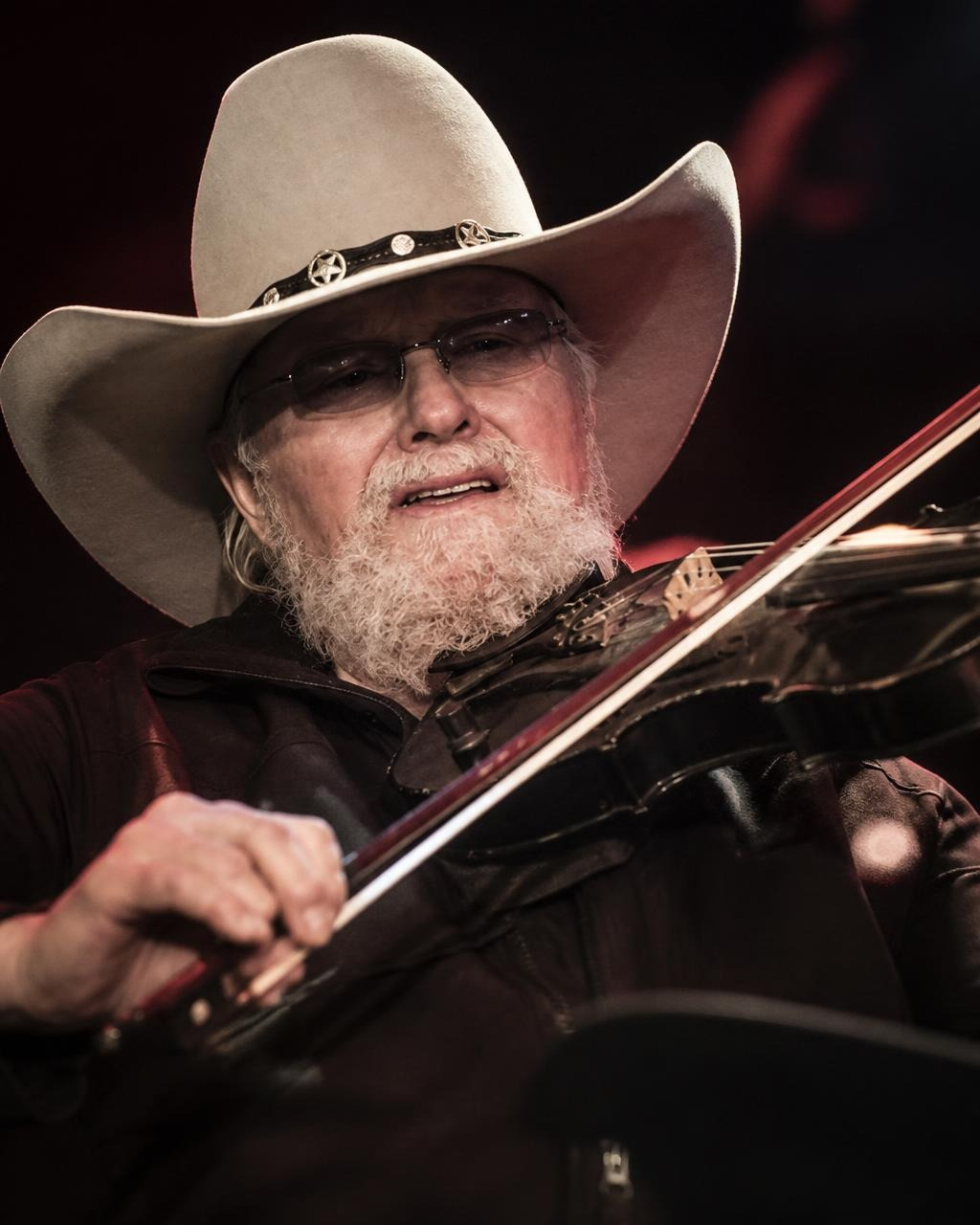
Charlie Daniels, Bob Dylan, and the Moment Nashville Changed
Charlie Daniels was packing up his guitar to go home when Bob Dylan looked over and asked where he was going.
It was February 1969 in Nashville, and the arrangement was supposed to be simple. Dylan had come to town to record Nashville Skyline, and Charlie Daniels had been booked for only the first day because another guitarist was expected to handle the session. Daniels was still a working musician in the city, not yet a household name, just one of the players who could be called when a record needed a steady hand.
Then Dylan noticed him leaving.
When producer Bob Johnston explained that another guitar player was on the way, Dylan made the kind of decision that can change a career without anyone in the room fully realizing it. Dylan wanted Charlie Daniels to stay. Not a replacement. Not another name on the call sheet. Charlie Daniels.
That was the turn. Charlie Daniels stayed and played on the album. His guitar became part of the sound that helped define Nashville Skyline, a record that moved Dylan into a warmer, more direct country mood and brought several Nashville musicians into his orbit. The same circle of sessions led onward to other Dylan recordings, including Self Portrait and New Morning, and to work with Leonard Cohen and Ringo Starr as well.
Before the fame, there was the work
For Charlie Daniels, this was the reality of the session world. The music business was full of people whose names appeared on records long before the public learned them. In Nashville, being reliable mattered. Being adaptable mattered. And sometimes, being in the right room at the right moment mattered most of all.
Charlie Daniels did not become famous overnight. His own name would take years to reach the wider audience. In 1973, Uneasy Rider climbed to No. 9 on the pop chart, and then came the song that became his signature: The Devil Went Down to Georgia. In 1979, it reached No. 1 on the country chart, No. 3 on the pop chart, and won a Grammy.
The kind of moment musicians remember
Looking back, the story feels almost too small for what it became. One question. One answer. One insistence from Bob Dylan that a player he had just heard was the one he wanted.
“I don’t want another guitar player, I want him.”
That line has lasted because it captures something bigger than the anecdote itself. It shows how quickly talent can be recognized, even before the world catches up. It also shows how much of music history is built from choices that happen in a few seconds inside a studio.
That February, America did not know who Charlie Daniels was. Bob Dylan did. And in Nashville, that was enough to start a story that would echo for decades.