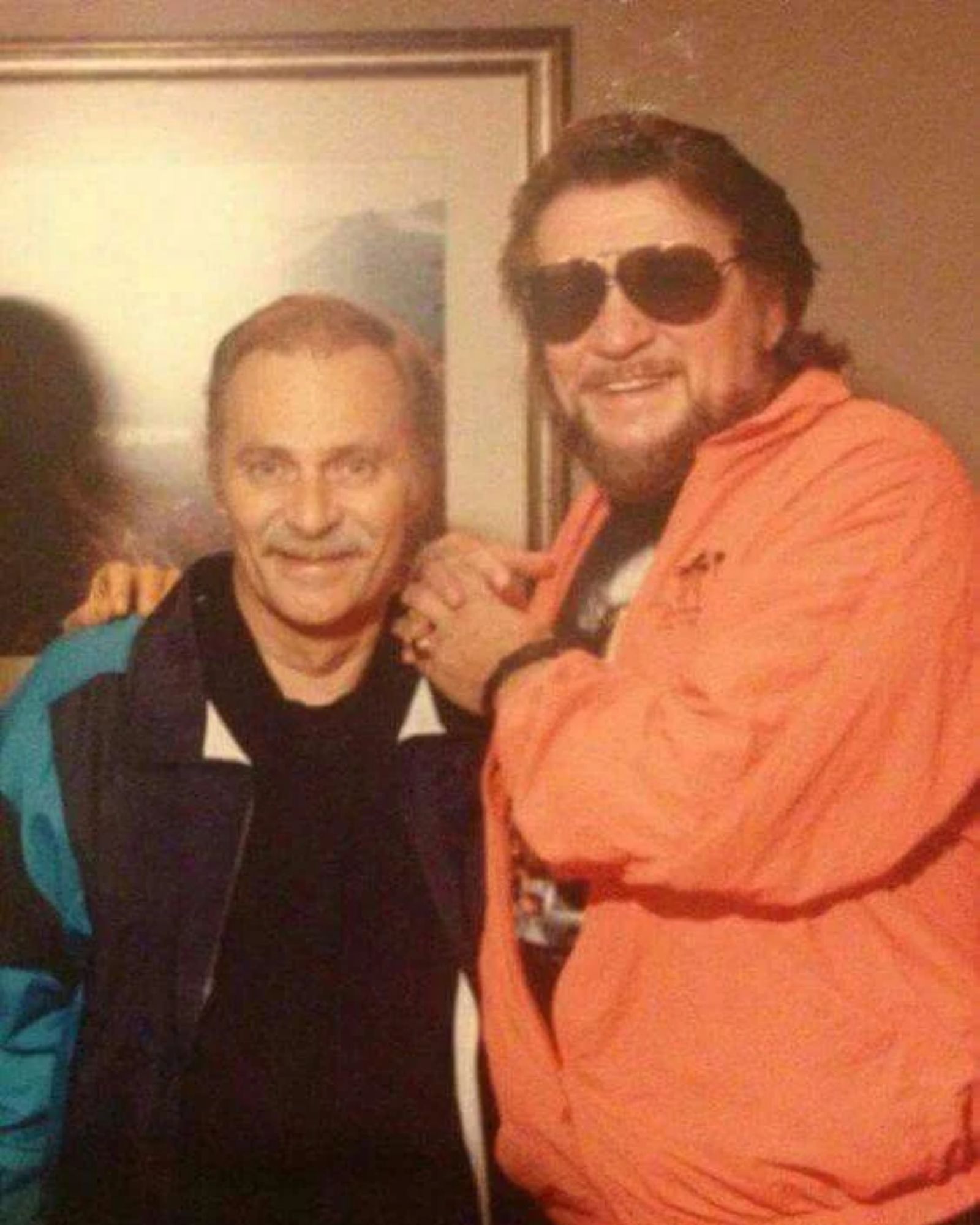
In the spring of 2009, Vern Gosdin still had a date on the calendar. The country singer known as “The Voice” was preparing for an appearance at CMA Music Festival in June, and work was underway to renovate his tour bus.
For fans who had spent decades listening to “Chiseled in Stone,” “Set ‘Em Up Joe,” and “I’m Still Crazy,” the planned appearance offered another opportunity to hear one of country music’s most distinctive voices.
But Vern Gosdin never made that trip.
On April 28, 2009, Vern Gosdin died in Nashville at the age of 74, leaving behind a June appearance that would never take place.
A Singer Who Still Had Music Ahead of Him
By 2009, Vern Gosdin had already lived through a long and remarkable career. Born in Woodland, Alabama, in 1934, Vern Gosdin grew up singing gospel music with family members before eventually establishing a place in traditional country music.
There had been years of success, career setbacks, and difficult personal experiences. Through it all, Vern Gosdin developed a reputation for singing heartbreak with unusual conviction.
In 1989, “Chiseled in Stone,” written with Max D. Barnes, received the Country Music Association’s Song of the Year award. Other recordings, including “I Can Tell by the Way You Dance (You’re Gonna Love Me Tonight)” and “Set ‘Em Up Joe,” had brought Vern Gosdin to the top of the country charts.
Although health difficulties affected Vern Gosdin’s later years, music remained part of his life. Vern Gosdin continued writing, recording, and performing during the 1990s and 2000s, even as live appearances became less frequent.
And there was another important project in those final months.
The 101 Songs Vern Gosdin Left Behind
In 2008, Vern Gosdin released 40 Years of the Voice, an extensive retrospective containing 101 recordings.
The collection brought together familiar hits, previously unreleased material, and newly recorded songs. It offered listeners an opportunity to appreciate the breadth of a career that had begun long before Vern Gosdin became a familiar name on country radio.
The project also had a charitable purpose. Its release was connected with Voice For Relief, an initiative intended to help communities recovering from destructive storms.
By December 2008, the collection had become one of Vern Gosdin’s final major musical releases.
But the appearance planned for June 2009 suggested that Vern Gosdin was not simply looking backward. There was still another engagement ahead, and preparations for the road were underway.
What Dawn Hall Remembered About Those Final Weeks
When Vern Gosdin died, administrative assistant Dawn Hall spoke with the Associated Press about the singer’s final weeks.
Vern Gosdin had experienced strokes before, and another serious stroke occurred in early April 2009. Dawn Hall explained that those around Vern Gosdin had initially hoped for improvement because there had been encouraging signs.
Perhaps the most revealing detail in the interview was how Dawn Hall remembered Vern Gosdin before that final health crisis.
“He was independent and telling me what to do.”
It was a brief recollection, but an unusually personal one. Rather than describing an award, a hit record, or a concert, Dawn Hall remembered the everyday experience of working with Vern Gosdin.
And at the time, Vern Gosdin still had the planned CMA Music Festival appearance ahead.
The tour bus was being renovated for that occasion. The festival was scheduled for June, several weeks beyond the difficult days of April.
Those plans would never be fulfilled.
The June Appearance That Never Happened
Vern Gosdin died at a Nashville hospital on Tuesday, April 28, 2009. News of the death spread the following day, bringing tributes from country music colleagues and longtime admirers.
For many listeners, the news brought back memories of the first time they heard “Chiseled in Stone” or the unmistakable opening of “Set ‘Em Up Joe.”
But there was another detail in the reports of Vern Gosdin’s death that deserved to be remembered: the singer had been preparing to travel again.
The June festival appearance never happened, and the available accounts do not establish that Vern Gosdin had intended it to be a farewell performance.
That distinction matters. This was not a carefully planned goodbye to country music. It was an appearance Vern Gosdin had expected to make.
Today, those old recordings remain available for anyone who wants to hear why Vern Gosdin earned the nickname “The Voice.”
And the story of the renovated tour bus offers one final glimpse of Vern Gosdin’s later life: a country singer with decades of music behind him, another date on the calendar, and an audience Vern Gosdin never got the chance to meet that June.