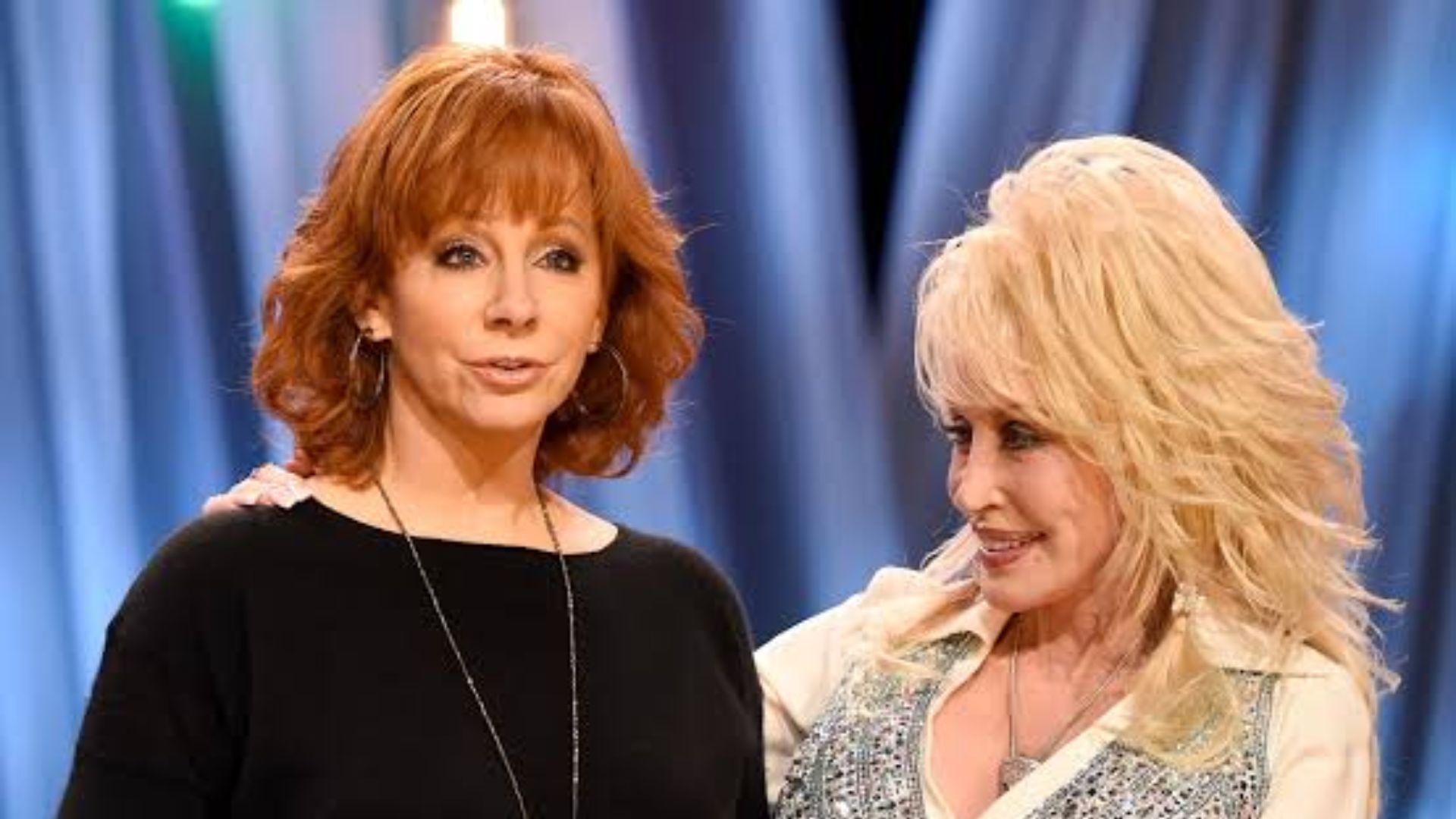
In March 1991, Reba McEntire was one of the biggest stars in country music. Within a single night, she lost most of the people who stood behind her on stage every night. What happened in the weeks that followed says as much about country music as any song ever written.
A Show in San Diego
On March 15, 1991, Reba played a private show in San Diego. The plan was simple: her band and crew would fly ahead on two small chartered jets, and Reba would follow the next day. She was fighting bronchitis, so she stayed behind at a hotel in San Diego with her husband and manager, Narvel Blackstock, to rest before the next date.
Shortly after 1:40 in the morning on March 16, one of those jets took off from Brown Field near the Mexican border. Minutes later, in the dark, it flew into the side of Otay Mountain. Everyone on board was killed.
The Eight She Lost
They were more than a backing band. They were the people Reba traveled with, ate with and shared a stage with night after night:
Kirk Cappello, her bandleader and keyboard player. Joey Cigainero, keyboards. Paula Kaye Evans, background vocals. Michael Thomas and Chris Austin, guitars. Terry Jackson, bass. Tony Saputo, drums. And Jim Hammon, her road manager.
The two pilots, Donald Holmes and Christopher Hollinger, also died. Two of Reba’s musicians, Joe McGlohon and Pete Finney, survived only because they were on the other plane.
More than two decades later, Reba told Oprah Winfrey that the pain never really goes away. “I don’t guess it ever quits hurting,” she said.
Nine Days Later, the Oscars
Before the crash, Reba had agreed to perform at the Academy Awards. The ceremony was on March 25, just nine days later. The song was “I’m Checkin’ Out,” written by Shel Silverstein for the film Postcards from the Edge and nominated for Best Original Song.
She went through with it. Standing on that stage in front of millions of viewers, still in shock, was one of the hardest things she ever did. Many people watching that night had no idea what she had just been through.
“Do You Want My Band?”
Then came the practical problem nobody likes to talk about. Reba had a career and a tour, and she had no band.
That was when Dolly Parton called. Reba has told the story in interviews over the years, and she still gets emotional telling it. Dolly didn’t just send flowers or a kind note. She asked what Reba needed, and then offered her own band.
“What do you need? Do you want my band?”
Dolly also sent her bandleader, Gary Smith, to help Reba put together a new group of musicians. Working alongside the two surviving band members, they rebuilt the band that would carry Reba back onto the road.
Dolly wasn’t the only one. Vince Gill called too, with a promise Reba never forgot: “Buddy, I’ll be there for you.” He offered to play and sing with her whenever she needed him.
Reba has admitted that getting back on stage was very hard. But she wasn’t doing it alone.
For My Broken Heart
On October 1, 1991, Reba released For My Broken Heart. She chose songs about loss, grief and learning to go on. She described the album as “a form of healing for all our broken hearts.”
Fans understood. The title track and “Is There Life Out There” both went to number one, and the album went on to sell more than four million copies. For many listeners, it became the record they reached for in their own hardest seasons.
A Friendship That Lasted
Reba and Dolly stayed close for the rest of Dolly’s life. In 2021, they finally recorded together, with a new version of “Does He Love You” on Reba’s Revived Remixed Revisited collection. Reba has said more than once that she never forgot what Dolly did for her in 1991.
When Dolly died in August 2026, Reba’s words were short and simple: “There will never ever be another you.”
Why This Story Still Matters
It’s easy to love the stars on stage. What people remember about Dolly Parton and Vince Gill in this story is what they did when no cameras were rolling. When a friend’s world fell apart, they didn’t ask what they could say. They asked what they could do, and then they did it.
Thirty-five years later, that’s the part of the story country music has never forgotten.