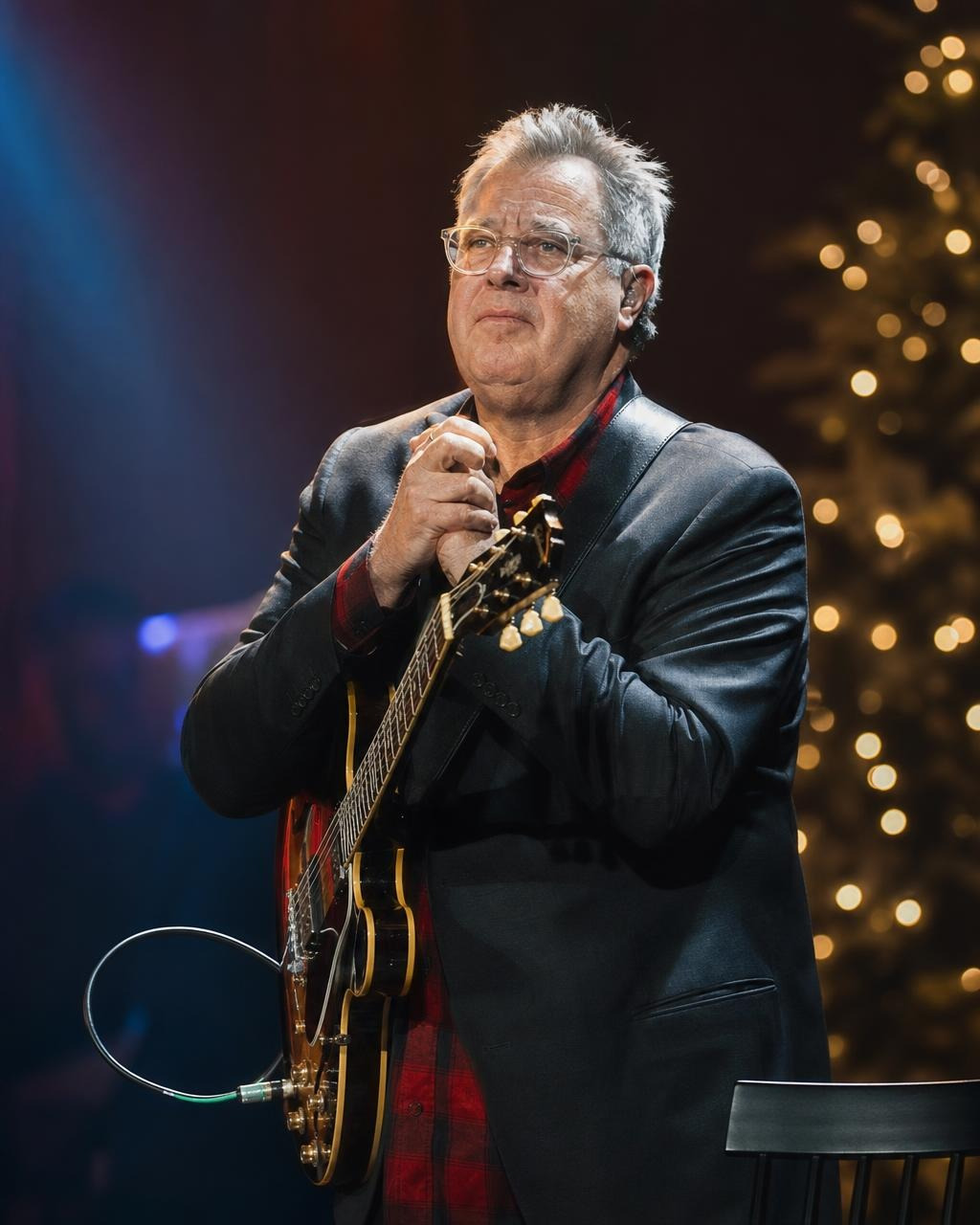
The Losses Behind Vince Gill’s “Go Rest High on That Mountain”
Some songs arrive as a finished thought. Others begin as a wound.
For Vince Gill, “Go Rest High on That Mountain” started in grief after the death of Keith Whitley in 1989. Gill had the first lines, but not the heart to complete them. The words stayed unfinished, waiting for a pain deep enough to give them shape.
A Song That Waited for the Right Kind of Silence
Four years later, Vince Gill faced another loss inside his own family. In 1993, his older brother Bob died. That death changed the song from a private sketch into something more urgent and more personal. Vince Gill returned to the lyrics he had started years earlier and finally brought them to a close.
The result was not just a tribute to one man. It became a song for anyone who has stood at a graveside and searched for words that feel big enough for goodbye.
“Go Rest High on That Mountain” became a way to say what sorrow often cannot.
Why the Song Endured
When Vince Gill released the recording in 1995, the performance carried an intimate force. Vince Gill sang the lead vocal, while Patty Loveless and Ricky Skaggs added harmony that lifted the song without softening its sadness. The arrangement felt gentle, but never easy. It sounded like a prayer, and it was heard that way by many listeners.
The song went on to win two Grammy Awards: Best Country Song and Best Male Country Vocal Performance. Those honors confirmed what many fans already felt. This was not just another country ballad. It was a song that understood how grief works when it arrives twice, from two different directions, and still leaves a person standing.
Two Losses, One Lasting Goodbye
Keith Whitley helped inspire the beginning. Bob Gill helped give Vince Gill the strength to finish it. Between those two deaths, Vince Gill found the emotional truth that made the song complete.
That is why “Go Rest High on That Mountain” has lasted. It does not try to explain grief away. It does not rush toward comfort. Instead, it stays with the feeling long enough to make room for healing.
More than a hit, it became a lasting farewell, carried by Vince Gill’s voice and shaped by the people he lost. In the end, the song’s power comes from that plain truth: sometimes the deepest art begins when love meets sorrow, and the words finally come.