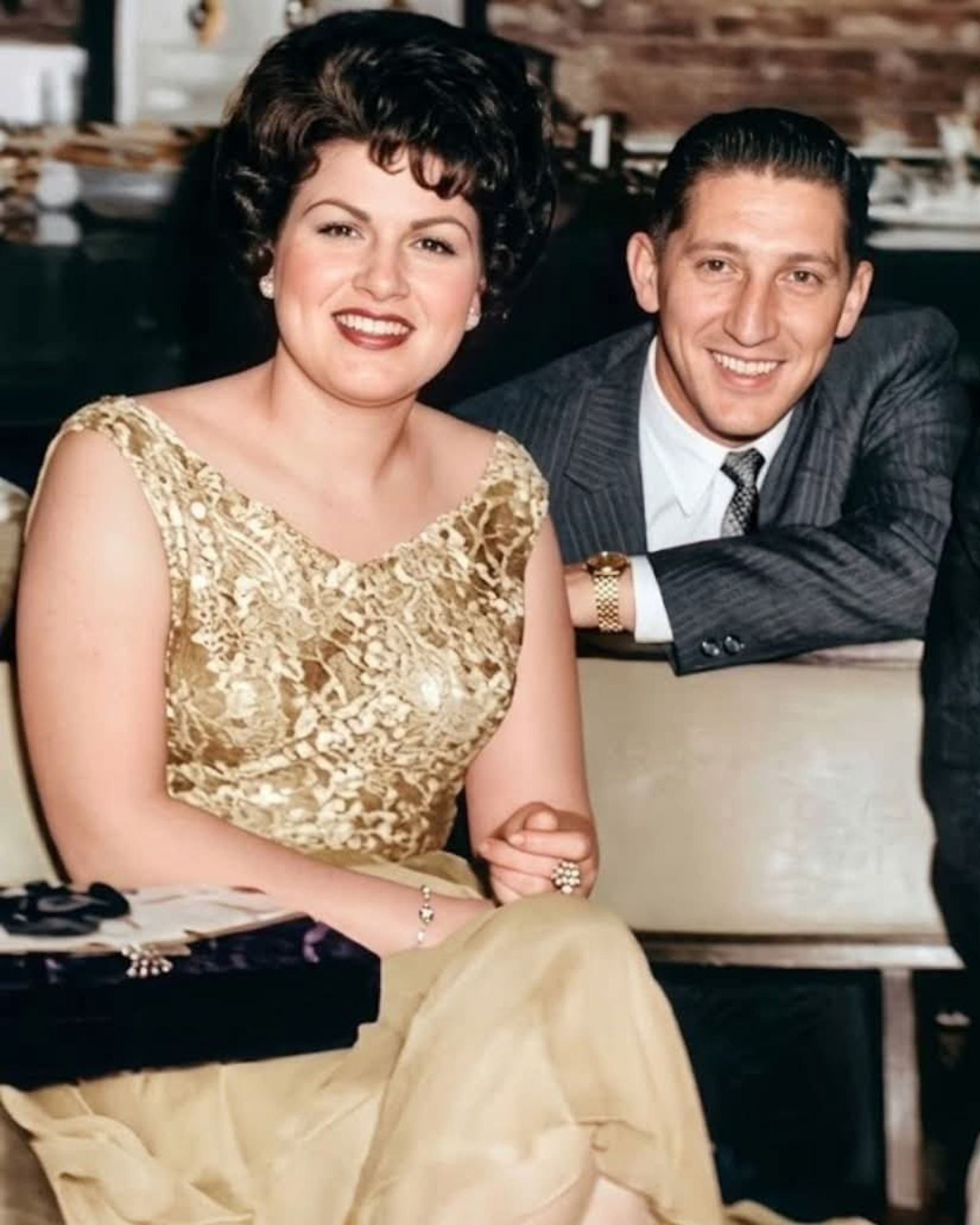
Patsy Cline, “Sweet Dreams,” and the Song That Outlived Its Singer
On February 5, 1963, Patsy Cline stepped into a Nashville studio and recorded Don Gibson’s “Sweet Dreams.” At just 30 years old, Patsy Cline was already a towering figure in country music, known for a voice that could sound both tender and unbreakable. She was still building her catalog, still shaping the sound that would define her legacy.
Two days later, Patsy Cline completed what became her final recording session. No one in that room could have known how close the end was. The work continued, the tapes were stored, and the music kept moving forward while life changed in a way no one could stop.
A Tragedy That Changed the Song’s Meaning
On March 5, 1963, Patsy Cline died in a plane crash while returning to Nashville from a benefit concert in Kansas City. Cowboy Copas, Hawkshaw Hawkins, and pilot Randy Hughes also died in the crash. The loss stunned the country music world and left a silence around Patsy Cline that no release schedule could fill.
“Sweet Dreams” had not yet been released while Patsy Cline was alive. That detail gives the song a strange power: it arrived after the voice that made it famous was already gone. The record was issued by Decca on April 15, 1963, and listeners met it as a farewell they had not expected to receive.
It is one of those rare recordings that feels larger because of the loss around it.
The Voice Kept Going Without Her
Even without Patsy Cline there to promote it, “Sweet Dreams” began climbing. The song reached No. 5 on Billboard’s country chart and crossed over to No. 44 on the pop chart. That success was not only commercial; it was emotional. Fans heard a familiar warmth in the performance, but now it carried an added ache. The record sounded like something arriving too late and somehow exactly on time.
Twenty-eight days separated the recording from Patsy Cline’s death. By the time America embraced “Sweet Dreams,” the singer herself could no longer see the reaction, hear the applause, or feel the momentum building in real time. The record came out about six weeks after the session, turning a studio performance into a posthumous landmark.
Why “Sweet Dreams” Still Matters
The story of “Sweet Dreams” is not only about tragedy. It is also about the durability of a great performance. Patsy Cline’s voice gave Don Gibson’s song a quiet emotional gravity that still reaches listeners decades later. The heartbreak around the release only deepened what was already there: a song about longing, sung by an artist who could make longing feel honest and human.
In the end, “Sweet Dreams” became more than a hit. It became a reminder of how a single recording can outlast grief, fame, and even the life of the person who made it. Patsy Cline was gone, but her voice remained, steady and unmistakable, carrying the song forward long after the studio lights had gone dark.