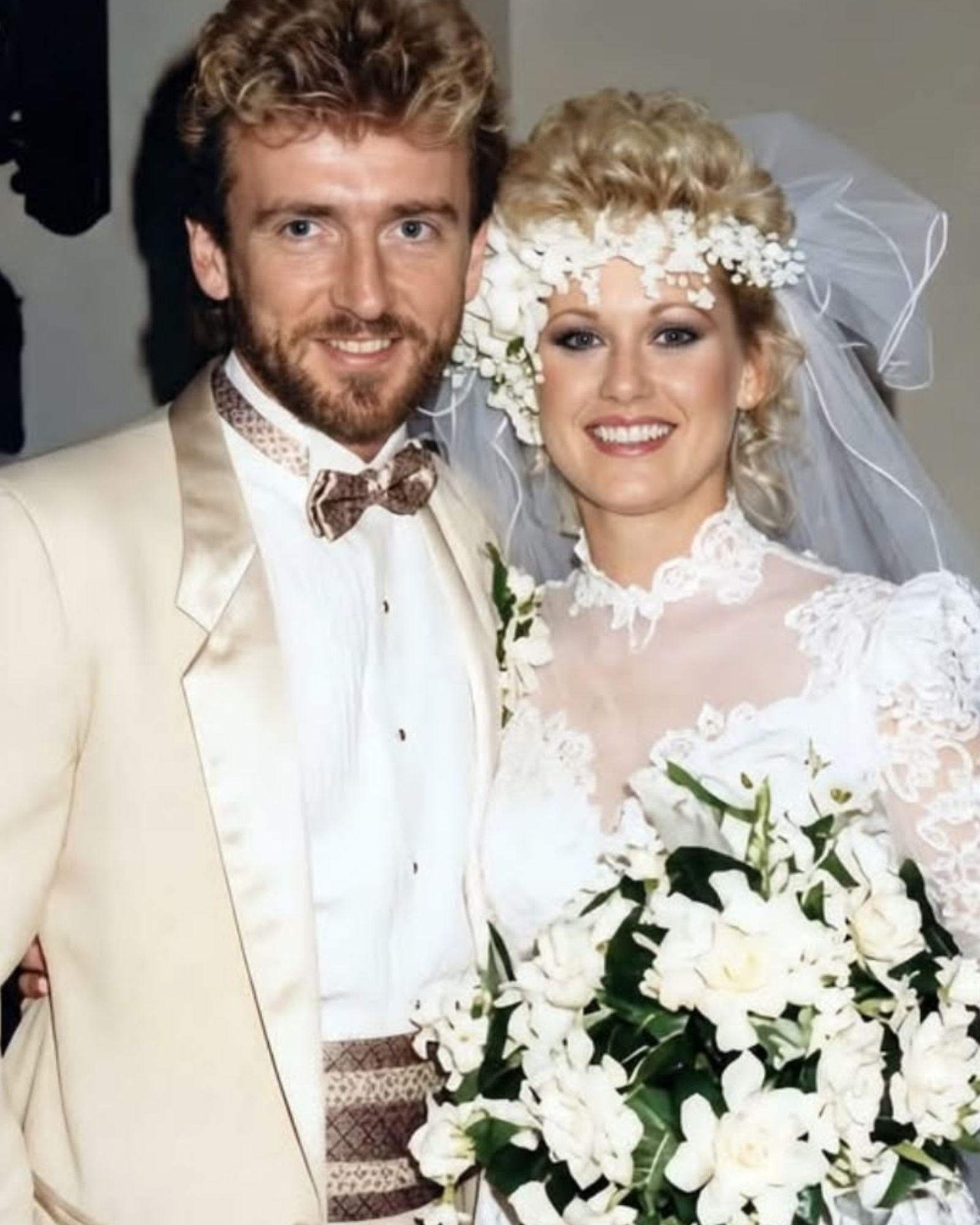
The Wedding Tape That Found Its Way Back on the Saddest Day
Keith sat on the kitchen counter with his guitar and pressed record. It was not for a record label, not for a session, and not for a polished album cut. It was for a wedding. He wanted Curtis Young to learn the song and sing it that day, so he made one rough tape and handed over something deeply personal.
In the next room, a little girl had the television turned up loud. The noise carried through the house and never really left the recording. That detail mattered later, because the tape was not perfect. It was real. It sounded like a life in progress, ordinary and fragile at the same time.
Curtis Young sang the song at the wedding in 1986. After that, he kept the cassette. For a while, it was just one of those keepsakes people tuck away and forget about, the kind of object that holds more meaning than anyone understands in the moment.
The day it came back
In May 1989, everything changed. On the day of Keith’s funeral, Curtis Young handed the tape back to Lorrie Morgan before she got into the limousine headed to the cemetery. His words were simple: she needed it back. She did not know it still existed.
Then, somewhere along that drive, the cassette was played in the car. The song Keith had made up that afternoon on the kitchen counter filled the vehicle. In that quiet, painful space, the voice, the guitar, and the background television all came together like a message from a different time.
Joe Galante from RCA was riding with Lorrie Morgan. He listened, and the song clearly moved him. He asked why Keith never played it for the label. Before they reached the cemetery, he wanted it released. Lorrie Morgan handed over her only copy.
It was not just a tape anymore. It had become memory, proof, and goodbye all at once.
Why the song mattered
The story of Keith Whitley and Lorrie Morgan has often been remembered through the music they made and the life they shared. Keith Whitley became one of country music’s most admired voices, and Lorrie Morgan carried that history forward with grace. The wedding tape later found its way onto Greatest Hits, giving fans a rare glimpse of a private moment that turned into something lasting.
What makes the story unforgettable is not only the beauty of the song, but the timing. A tune recorded casually for a wedding became a final connection after Keith’s death. That contrast is what makes the memory so powerful: joy and grief sitting in the same car, on the same day, in the same song.
Sometimes music outlives the moment that created it. In this case, Keith’s rough recording did more than preserve a melody. It preserved a feeling, one that still reaches people because it sounds unguarded, human, and true.