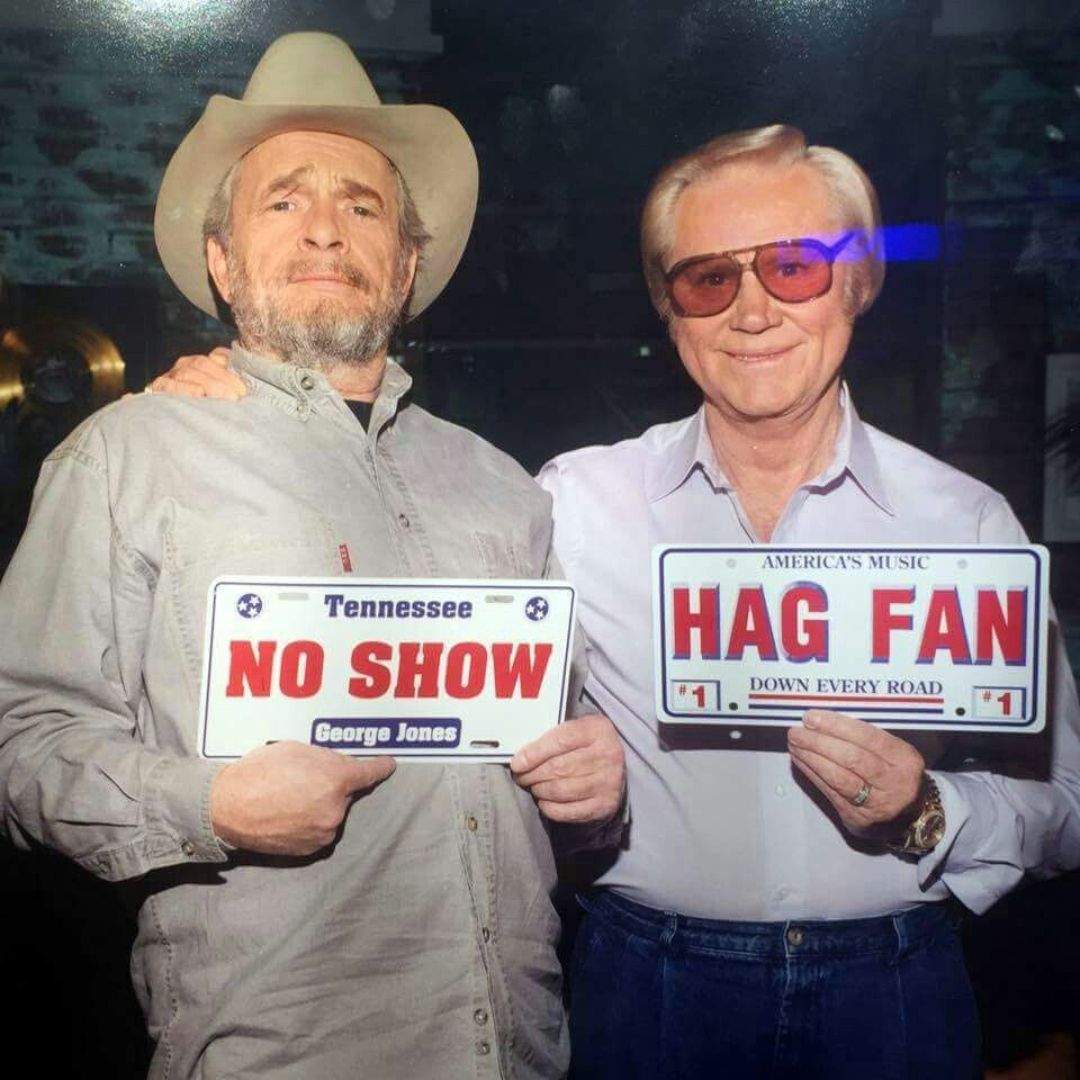
George Jones Was Called “No Show Jones” — Then He Turned the Insult Into a Song
By the late 1970s and early 1980s, George Jones was living through one of the hardest stretches of his life. His drinking and drug use had begun to take a heavy toll, and the consequences spilled into every part of his career. Concerts were missed. Promises were broken. Promoters and fans were left waiting, sometimes with no explanation at all.
That was how Nashville’s cruel nickname was born: “No Show Jones.” It was a jab at the one thing a singer is expected to do no matter what — show up. For a performer as gifted and as admired as George Jones, the insult landed hard because it carried an ugly truth. He had become known not only for his voice, but for his absences.
A Reputation He Could Not Ignore
George Jones never built a career on pretending his failures did not exist. In fact, part of what made him so compelling was that he often seemed fully aware of his own damage. The nickname followed him into a period when arrests, hospital stays, and financial trouble were all part of the same painful pattern. In 1979 alone, he missed dozens of concerts, and the stories spread fast through country music circles.
For many artists, that kind of reputation would have been impossible to survive. But George Jones was not a normal case. He had already earned a place among the great voices of country music, and even at his lowest point, people still wanted to hear him sing. That made the disappointment even sharper. Fans were not just losing a show. They were losing the chance to see one of the best do what only George Jones could do.
Turning the Joke Back on Himself
In 1982, George Jones did something surprising. He recorded “No Show Jones” with Merle Haggard, transforming the insult into a song that poked fun at his own reputation. Instead of hiding from the name, George Jones leaned into it. That move mattered. It did not erase the damage, but it showed a strange and honest kind of courage: the willingness to laugh at what had once embarrassed him.
Sometimes the bravest thing a person can do is name the truth out loud.
The song was not a miracle cure, and it did not instantly repair every broken promise. But it marked a turning point. George Jones was no longer only the singer who failed to appear. He was the man who could face the nickname, own it, and turn it into something the audience could sing along with.
Making Amends, One Stage at a Time
As George Jones got his life under control, he slowly began making things right. He started filling in missed dates, sometimes performing for free to pay back promoters and restore trust. That alone could not erase the empty chairs, the canceled nights, or the disappointment he left behind. But it did show that he understood what had been lost.
In later years, George Jones even opened shows with “No Show Jones.” It was a difficult kind of redemption, because it asked audiences to remember both sides of the story: the failure and the comeback. George Jones could not rewrite the past. What he could do was stand onstage, look out at the crowd, and prove that he had finally learned how to show up.