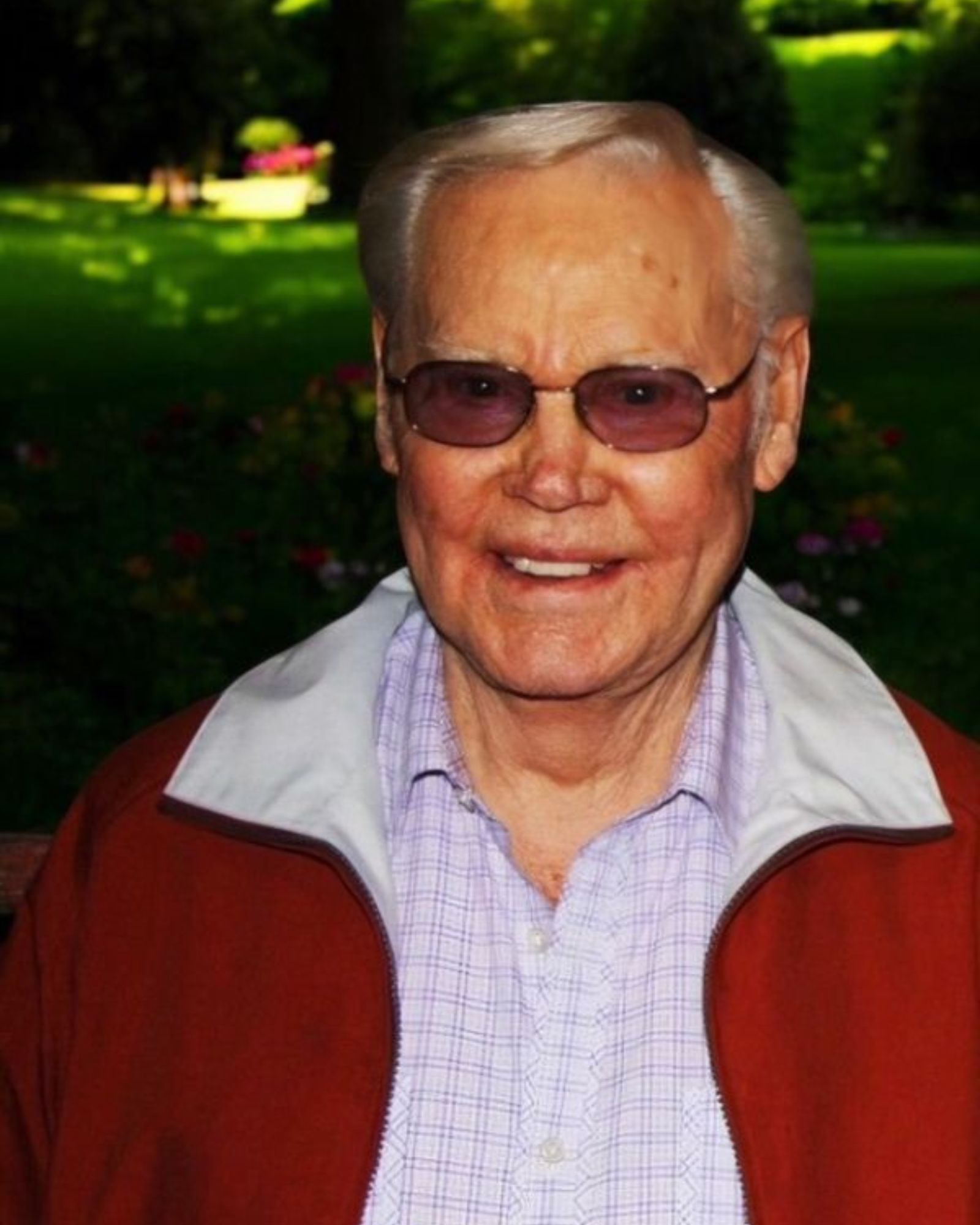
George Jones had planned one last night in Nashville. The tickets were sold, the stars were coming, and thousands of fans were preparing to say goodbye to one of country music’s greatest voices.
But when November 22, 2013, finally arrived, George Jones was no longer there to take the stage.
Instead, a rocking chair stood beneath the lights at Bridgestone Arena. It remained empty for much of the evening, serving as a quiet reminder of the man everyone had come to honor.
A Farewell That George Jones Never Got to Finish
In late 2012, George Jones announced that he would retire from touring after one final series of concerts. At 81, he had spent more than five decades singing the songs that helped define traditional country music.
His farewell tour was scheduled to end on November 22, 2013, at Nashville’s Bridgestone Arena. The sold-out celebration would bring together generations of singers who had been influenced by his unmistakable voice.
But on April 26, 2013, George Jones died at Vanderbilt University Medical Center in Nashville. His actual final performance had taken place just twenty days earlier, on April 6, at the Civic Coliseum in Knoxville, Tennessee.
The November concert suddenly had no headliner.
Nancy Jones, George’s wife, and the participating artists faced a choice. They could cancel the event or turn it into something George himself would never have expected.
They chose to keep the date.
The Final No Show
The concert was renamed Playin’ Possum! The Final No Show, a reference to George Jones’ famous nickname, “The Possum,” and his old reputation for missing performances.
This time, however, his absence was different.
On November 22, approximately 16,000 fans gathered at Bridgestone Arena as 112 performers took part in a four-hour celebration of his music.
The evening began with a video of George Jones performing “No Show Jones.” Then Big & Rich arrived on riding lawnmowers to sing “Love Bug,” playfully recalling one of the most notorious stories from George’s colorful past.
Garth Brooks and Trisha Yearwood performed “Take Me.” George Strait sang “The Grand Tour” and joined Martina McBride for “Golden Ring.” Vince Gill performed “Bartender’s Blues,” while Jamey Johnson offered his interpretation of “Tennessee Whiskey.”
Throughout the concert, a rocking chair sat onstage under a spotlight. It symbolized the presence of a man whose voice was missing but whose influence could be heard in nearly every performance.
The Song That Closed the Night
After hours of music, there was one song that had to be sung.
Alan Jackson stepped forward to perform “He Stopped Loving Her Today.”
Released in 1980, the recording had revived George Jones’ career and become one of the most celebrated songs in country music history. Written by Bobby Braddock and Curly Putman, it tells the story of a man whose love endures until death.
On this particular night, the song carried another meaning.
Alan Jackson had already sung it earlier that year at George Jones’ public memorial service at the Grand Ole Opry House. Now he was singing it once more, on the night that should have marked George’s farewell from the stage.
As the final performance unfolded, the crowd joined in. Alan Jackson invited Nancy Jones onto the stage, bringing George’s widow into the closing moments of the celebration.
The audience sang along to the chorus of the song that had become inseparable from George Jones himself.
Then came an unforgettable gesture.
As Alan Jackson prepared to leave the stage with Nancy, he reached toward the empty rocking chair and gently set it in motion.
The chair rocked beneath the stage lights as the audience applauded.
One Last Goodbye
George Jones never performed at the farewell concert he had planned. But the evening became a remarkable demonstration of how much he meant to his fellow musicians and the people who had followed his career.
Some came to remember the early honky-tonk hits. Others celebrated the powerful ballads that had made George Jones one of Nashville’s most respected singers. Across generations and musical styles, they shared a connection to the same extraordinary voice.
The concert was never simply about mourning his death. It was also about celebrating the music that survived him.
And when the final song ended, the image left behind was not a microphone, a guitar, or even a photograph.
It was an empty rocking chair, moving gently under the lights of a stage George Jones had hoped to stand on one last time.
His farewell concert happened without him. But Nashville made certain that the night would still belong to George Jones.