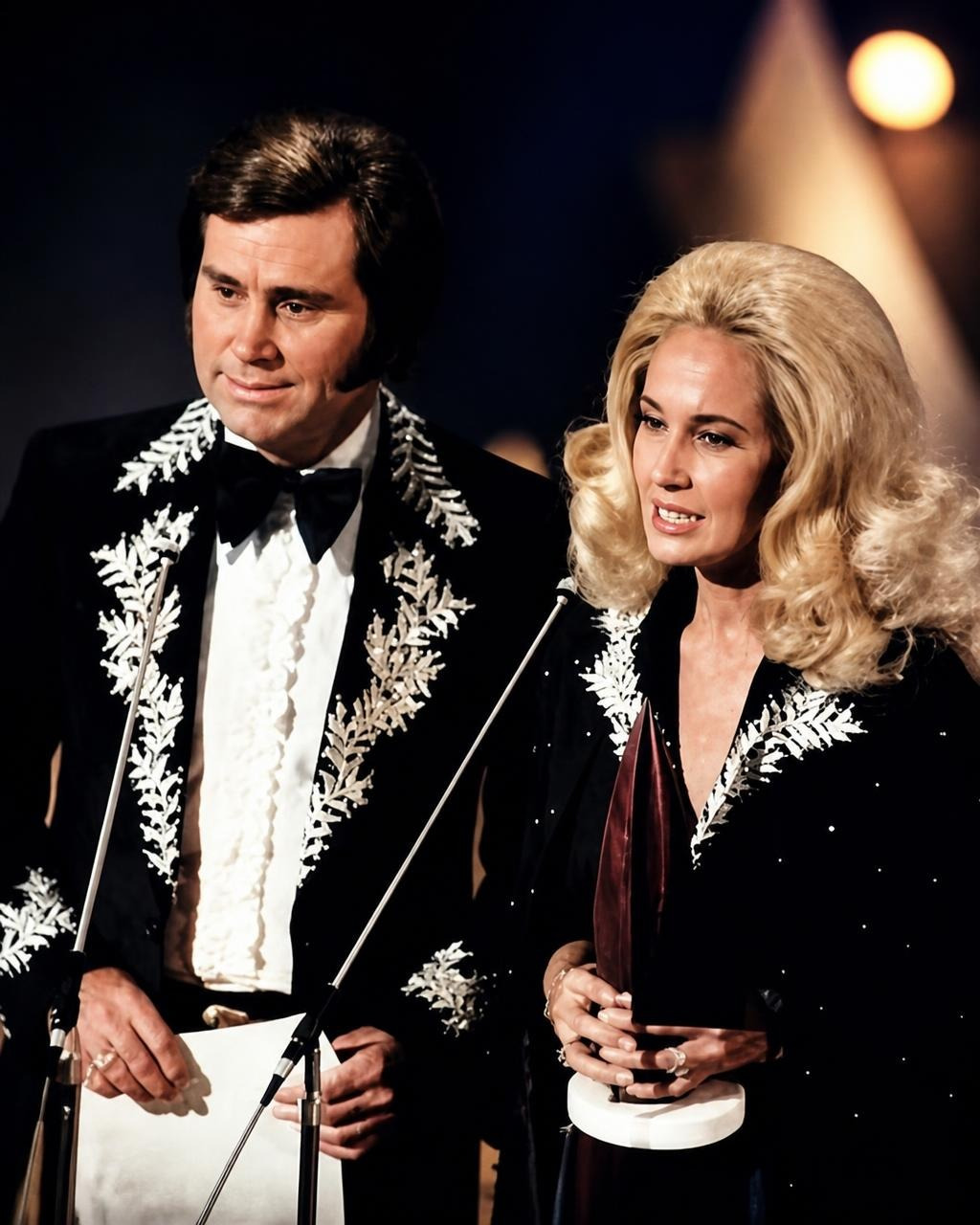
Tammy Wynette, Billy Sherrill, and the Song Tammy Wynette Thought Might Follow Her Forever
In 1968, Tammy Wynette was already building a powerful place in country music when she sat down with producer Billy Sherrill at Epic Records in Nashville. What came out of that session was one of the most familiar songs in American music history: “Stand by Your Man.” The story around it has long had one detail that keeps getting repeated for good reason — Tammy Wynette and Billy Sherrill wrote it fast, in roughly 15 minutes, as they were finishing a session and needed one more song.
Even then, Tammy Wynette was not completely sure about it. The song felt different from some of her earlier hits, and she reportedly worried about the demanding high note near the end. Later, she joked that she would spend her life singing that note. That kind of concern makes sense when you remember how much pressure lived inside a three-minute recording: the melody had to land, the voice had to carry it, and the audience had to believe every word.
There was also a personal hesitation in the background. George Jones, whom Tammy Wynette would marry in September 1968, reportedly did not like the song when she first played it for him. That detail has become part of the song’s lore, not because it changes the music, but because it shows how uncertain great songs can seem before the world catches up.
A Song That Became Bigger Than the Room It Was Written In
Once released, “Stand by Your Man” did not stay private for long. The song went to No. 1 on the country chart and became Tammy Wynette’s signature recording. It also became one of the most discussed songs of her career, praised by many listeners and criticized by others who felt its message asked women to accept too much.
Tammy Wynette did not accept that criticism as the full meaning of the song. She said she saw it as a song about love, support, and forgiveness — not weakness. Billy Sherrill described it in similarly direct terms, saying it was another way of saying love without reservations. However people argued about it, the record itself kept moving outward, into radio, living rooms, and political conversation.
That is the strange power of a song like this: it begins as a quick studio idea, then turns into a cultural test case. Tammy Wynette once worried about a single note. In the end, she had to carry the whole song for the rest of her life. And perhaps that is why it endured so strongly — because the voice behind it sounded like someone who knew exactly what it cost to sing it.
The Legacy That Stayed With Tammy Wynette
“Stand by Your Man” became more than a hit. It became a defining chapter in Tammy Wynette’s public identity, a song that followed her through praise, debate, and decades of retelling. Some songs chart. A few become standards. Very few become part of the national argument. This one did all three, and it began with Tammy Wynette’s voice, Billy Sherrill’s instinct, and a deadline in Nashville.