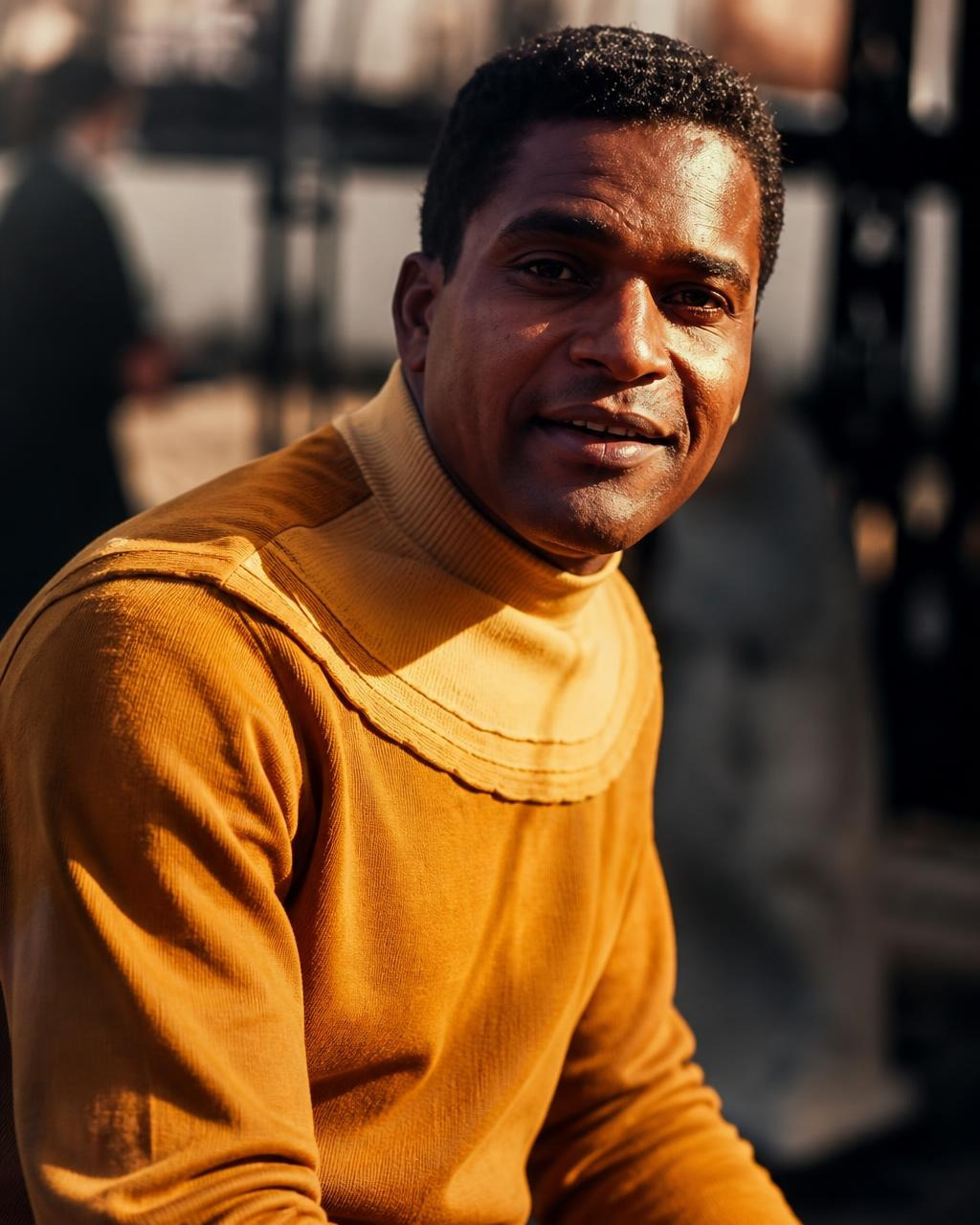
Before Charley Pride Became a Star, Nashville Had to Decide Whether to Believe What It Heard
Long before Charley Pride became one of country music’s most powerful voices, his path to Nashville was anything but simple. He had spent years chasing a baseball dream, and music was not the original plan. But encouragement can change a life, and in Pride’s case, that encouragement came from country singers Red Sovine and Red Foley, who urged him to try Nashville. Once he arrived, manager Jack Johnson helped open a door that still might have stayed closed without the right ears on the other side.
That next turning point came when Jack Johnson introduced Charley Pride to producer Cowboy Jack Clement. Clement heard something immediate in Pride’s voice, something sturdy and confident enough to deserve a chance. In 1965, Cowboy Jack Clement paid for professional demos to be recorded at RCA Studio B, then took those recordings to RCA Nashville chief Chet Atkins. The tape carried the voice, but not the proof that Nashville needed. In that era, a Black country singer was still seen by many as a risk, even when the performance itself was undeniable.
Chet Atkins listened anyway.
At some point, the song stops being about the argument around it and becomes about the feeling it gives you.
That seems to be what happened here. Atkins decided to trust what he heard, and RCA signed Charley Pride. The beginning was not glamorous. His first two singles made little impact, and the slow start could have discouraged anyone watching from the outside. But the real story was not over. It was only gathering strength.
Then came “Just Between You and Me.” Released in 1966, the song reached the country Top 10 and earned Charley Pride his first Grammy nomination. Suddenly, the voice on the tape was no longer a question mark. It was a presence. It was commercial. It was real. The gamble Cowboy Jack Clement made by paying for those demos, and the gamble Chet Atkins made by signing Charley Pride, had started to pay off.
What followed was history. Charley Pride went on to score 29 No. 1 country singles and win the CMA Entertainer of the Year award. But the larger meaning of his rise may be even more lasting than the chart numbers. His success proved that talent could challenge expectation, and that a great country voice did not need permission to sound like country music.
Before the trophies, before the headlines, before the long list of honors, there was only a demo tape and a few people willing to listen with uncommon courage. That was enough to begin changing Nashville.